
2026 tax year · federal tax law
Invest in 2026 and your business may deduct 100% of the cost of qualifying equipment.
Under the 2025 federal tax law (Public Law 119-21), 100% bonus depreciation is now permanent for qualifying equipment acquired after January 19, 2025. Your business may deduct the full cost of that equipment from its 2026 taxable income. To count for 2026, the equipment must be purchased and placed in service (installed and working) by December 31, 2026.
Time left to claim 100% depreciation on your 2026 return
Deadline: 11:59 PM Central Time (CT), December 31, 2026.
For 2027 planning, schedule a complimentary 30-minute consultation.
To speak with our team directly, please call RobotLAB Houston at (281) 357-9188.
- Law
- Public Law 119-21
- Enacted
- July 4, 2025
- Bonus depreciation
- 100%, permanent
- Section 179 · 2026
- Up to $2.56 million
Estimate · example only
Robots can reduce your costs in 2 ways.
First, robots perform routine tasks every day, which can reduce the staff hours those tasks require. Second, the full cost of qualifying equipment may be deducted from your 2026 taxable income. Both 100% bonus depreciation and Section 179 permit this deduction in the first year, rather than in smaller amounts over several years. Adjust the sliders to match your written quotation to estimate your 2026 deduction and the federal tax it may save.
Your 2026 estimateFederal
Equipment placed in service by December 31, 2026, may count toward your 2026 return.–– days remainingThe 2026 deadline has passed · figures now apply to 2027
Step 1 · The deduction
Estimated deduction on your 2026 return:
$100,000
2026 payments:
under Section 179, 100% bonus depreciation, or both. The full deduction may apply even if the robots are placed in service on December 31.
Please set the monthly amount from your written quotation to view the 2026 deduction.
Step 2 · Deduction × your tax rate
Estimated federal tax saving≈ – $21,000
$100,000 × 21% C-corporation rate
The saving is shown as a range because the 20% qualified business income (QBI) deduction can reduce it by up to one fifth.
Step 3 · Your net cost
Net cost after the 2026 tax saving≈ $79,000
Total interest over 60 months at 8.0% (example)$21,658
$2,027.64 × 60 − $100,000 equipment cost
Loan · 2026 payments
Monthly payment$2,027.64
60 months at 8.0% APR (example)
2026 payments (2 months)$4,055
Financing does not prevent the deduction. If your business owns the equipment and places it in service in 2026, its cost may be deducted for 2026. This applies even while the loan is being repaid, within IRS limits. Interest is deducted separately. Our banking partners can help arrange financing for your purchase.
After 2026 · monthly plan
Payments made in later years are generally deductible in the year they are paid.
For 2026, Section 179 is limited to $2.56 million, is reduced once equipment purchases exceed $4.09 million, and cannot exceed your business income. These figures are federal only, as Texas has no state income tax. This information is general and is not tax advice. Please confirm your eligibility with your tax advisor.
What changed
The One Big Beautiful Bill Act (Public Law 119-21) made 100% bonus depreciation permanent.
Enacted · July 4, 2025The law changed how much of an equipment purchase a business may deduct in the year the equipment is placed in service.
100% bonus depreciation is now permanent
Businesses may deduct the full cost of qualifying equipment in its first year. This applies to equipment acquired after January 19, 2025 (IRS Notice 2026-11).
Section 179 limit: $2.56 million
Section 179 is a separate, long-standing provision that also allows equipment to be deducted in its first year. The 2025 law raised its limits, and IRS Rev. Proc. 2025-32 sets the 2026 figures. The limit is reduced once equipment purchases exceed $4.09 million, and the deduction cannot exceed your business income.
Sources: IRS Notice 2026-11 (PDF) IRS Publication 946 · Section 179 IRS Rev. Proc. 2025-32 (2026 limits)
Placed-in-service deadline · December 31, 2026
For your cost to be deductible on a 2026 return, robots must be purchased and placed in service by December 31, 2026, meaning delivered, installed and ready for use.
This date applies to businesses that file on a calendar-year basis. Delivery, installation and staff training take time, so early scheduling preserves a wider choice of equipment and dates.
The 2026 deadline has passed · planning now applies to 2027
Time left to claim 100% depreciation on your 2026 return
Schedule a complimentary 30-minute consultationDeadline: 11:59 PM Central Time (CT), December 31, 2026.
By industry
Robots suited to your industry.
Hotels
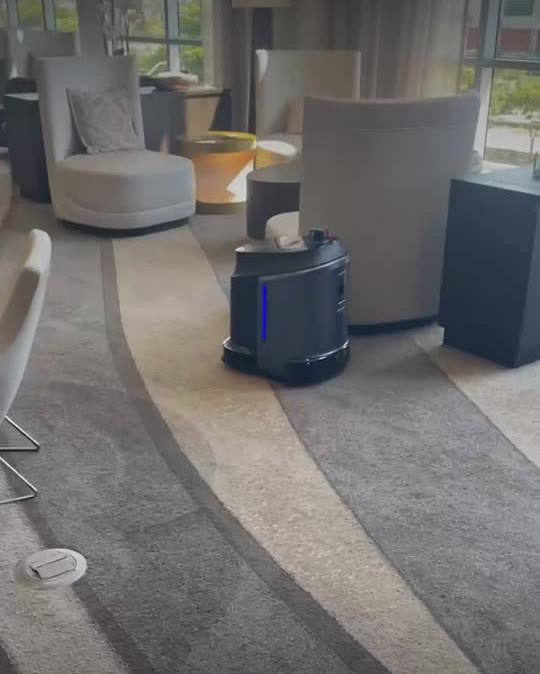
Cleaning · DeliveryFloor-cleaning robots maintain lobbies and hallways, and delivery robots bring towels and supplies to guest rooms.
Inquire about hotel robots
Restaurants
Serving · Floor cleaningServing robots deliver meals to tables and return used dishes to the kitchen, and floor-cleaning robots maintain the dining room after closing.
Inquire about restaurant robots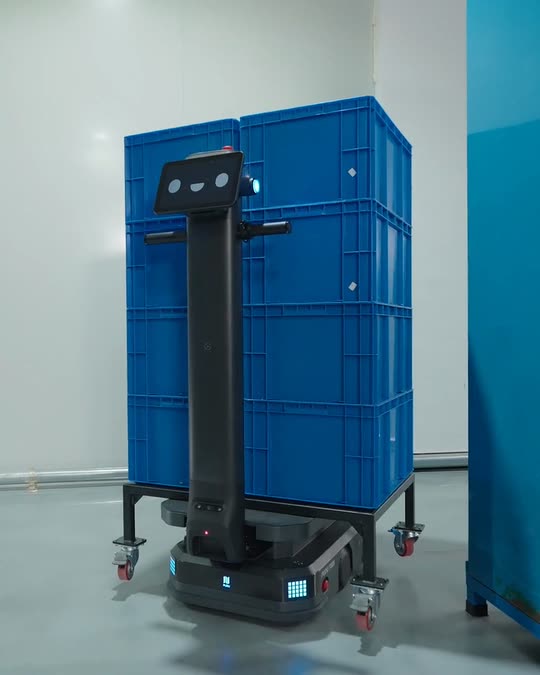
Warehouses & manufacturing
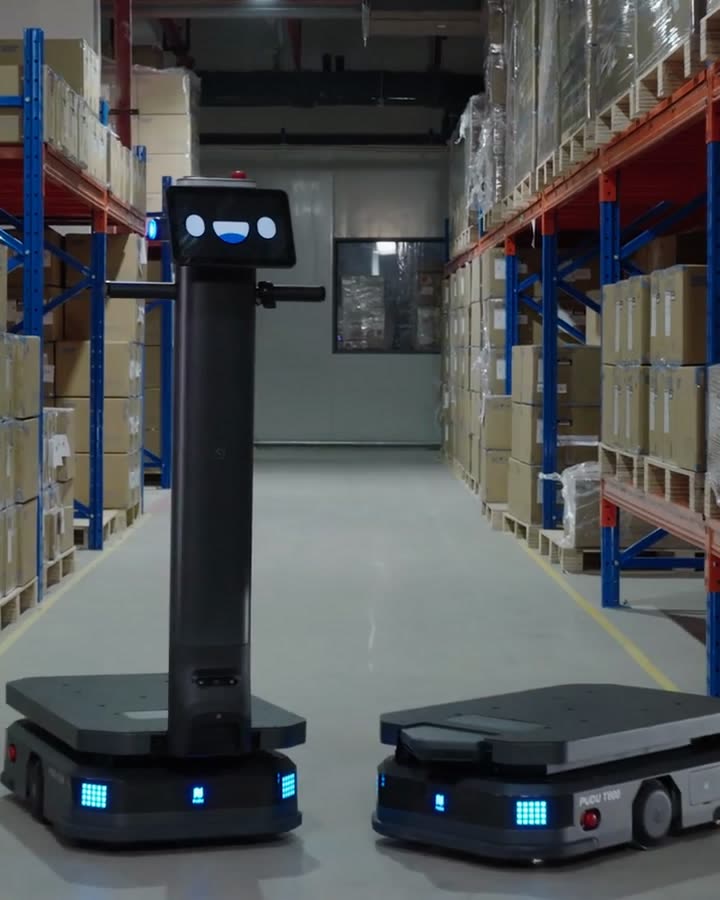
Material transportThe Pudu T600 transports carts, racks and bins weighing up to 1,300 lb between locations in your facility.
Inquire about warehouse robots
Senior & assisted living
Engagement · ReceptionResidents play games together on the Mobii interactive activity table, while temi greets visitors and supports family video calls.
Inquire about robots for senior living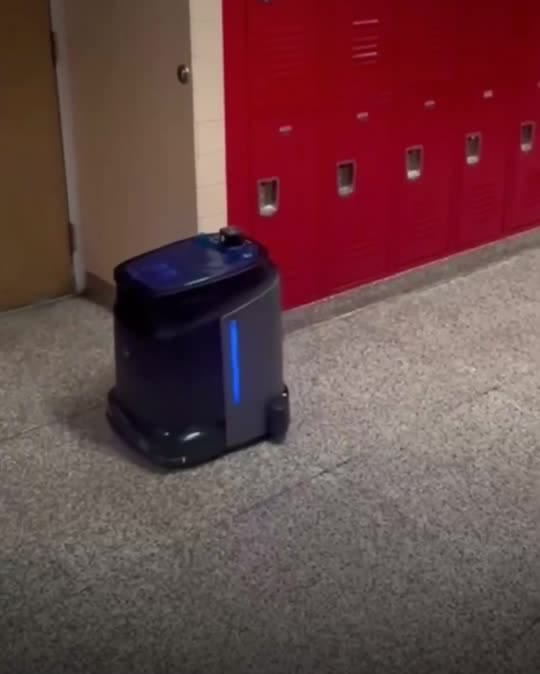
Gyms, schools & offices
CleaningAutonomous floor cleaners maintain gyms, hallways and lobbies on a daily schedule.
Inquire about robots for gyms, schools and offices
Schedule · live calendar
Do not let the 2026 deduction slip away.
- Phone(281) 357-9188
- Emailhoustonwest@robotlab.com
- OfficeRobotLAB Houston, 3727 Greenbriar Drive, Suite 404, Stafford, TX 77477
30-minute consultationLive calendar
Questions
Questions about the 2026 deduction.
What is the difference between a deduction and a tax credit?
A tax credit reduces your tax bill dollar for dollar, whereas a deduction reduces your taxable income. The saving from a deduction is therefore the deduction amount multiplied by your tax rate.
Bonus depreciation and Section 179 are both deductions. For example, a $100,000 deduction at the 21% C-corporation rate reduces federal tax by approximately $21,000.
Do leases or monthly plans (Robots-as-a-Service) qualify?
In general, only a purchase, whether with cash or a loan, qualifies for Section 179 and bonus depreciation. Under a monthly plan or a true operating lease, your business does not own the robot, and the payments are generally deducted as an ordinary business expense when paid.
Some leases are treated as purchases for tax purposes, so please ask your tax advisor how your agreement is treated.
Must the robots be paid off before they qualify?
Generally, no. Equipment purchased with a loan can qualify. The deduction is generally based on the cost of equipment bought and placed in service during the year, even while the loan is still being repaid. Our banking partners can help arrange financing for your purchase.
Which costs count toward the deduction?
Generally, the full equipment cost counts, including delivery, installation and testing. Off-the-shelf software purchased with the robot may also qualify. Please ask your tax advisor how service plans and staff training are treated for your business. Ongoing subscriptions and cloud fees are ordinary business expenses and do not qualify for Section 179.
What does “placed in service” mean?
Generally, it means the robot is installed and ready for its intended use in your business. An order, a payment or a robot that remains in its packaging does not meet this test.
For a 2026 return, this must occur by December 31, 2026. We plan delivery, mapping and staff training with that date in mind and confirm the installation date after the site assessment. However, we cannot guarantee completion by December 31.
Does Texas state tax affect the deduction?
Texas has no state income tax, so for Houston businesses the federal deduction is the relevant one. The Texas franchise tax is separate, and your tax advisor can explain how it applies to your business.
Should my tax advisor review this estimate?
Yes. Eligibility depends on your business structure, your taxable income and the date the equipment is placed in service, so your tax advisor should review the figures. Your advisor is welcome to join the consultation.